Hermit Crabs Are the Hardest Exotic Pets to Care For

Hermit crabs might look like simple, low-maintenance pets at first glance. Their small size and slow movements can make them seem like an easy choice for anyone wanting an exotic pet. But I’ve learned that caring for hermit crabs is far from simple. They require very specific conditions to thrive, and many pet owners underestimate the effort involved. If you’re thinking about bringing a hermit crab home, it’s important to understand why they are among the hardest exotic pets to care for.

Why Hermit Crabs Are Challenging Pets
Hermit crabs are not your typical pets. They have unique needs that differ greatly from dogs, cats, or even other exotic animals like reptiles or fish. Their natural habitat is the humid, warm coastal areas where they live in shells they find or scavenge. Replicating this environment in your home is tricky but essential.
Temperature and Humidity Control
Hermit crabs require a warm and humid environment for survival. The temperature should remain between 75 and 85 degrees Fahrenheit, while humidity levels need to be maintained at approximately 70-80%. If the air is too dry, hermit crabs can gradually suffocate because they breathe through adapted gills, which necessitate a high level of humidity to function properly; otherwise, the gills dry out, leading to their demise. If it becomes too cold, they become lethargic and susceptible to illness.
Maintaining this balance requires special equipment. For example, a quality digital thermostat and humidifier can help keep the tank conditions stable. One product I recommend is an automatic humidifier. It allows you to monitor and adjust the environment precisely, which is crucial for hermit crab health.
Proper Habitat Setup
Hermit crabs need a tank that mimics their natural surroundings. This means a substrate deep enough for burrowing, access to both fresh and saltwater, and plenty of shells of different sizes for them to move into as they grow.
The substrate should be a mix of sand and coconut fiber to hold moisture well. It needs to be at least 3-4 inches deep so the crabs can dig and molt safely. Molting is a vulnerable time for hermit crabs, and they often bury themselves for weeks. Without the right substrate, they can’t molt properly, which can be fatal.
Shell Selection and Replacement
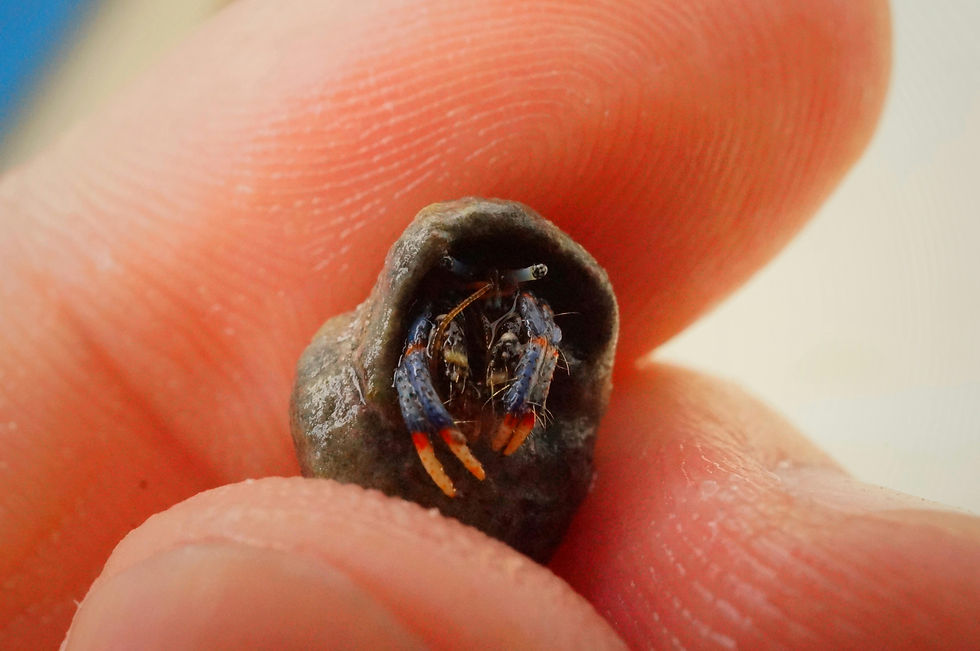
Hermit crabs don’t grow their own shells. Instead, they find empty shells to live in. As they grow, they need to switch to larger shells. Providing a variety of clean, empty shells is essential. Without this, hermit crabs can become stressed or even fight over shells.
I've discovered that having around 5 shell choices for each crab, tailored to the size of its claws, is optimal.
Feeding and Nutrition Needs
Hermit crabs are scavengers in the wild, eating a mix of plant and animal matter. In captivity, they need a balanced diet that includes protein, calcium, and fiber. Feeding them only commercial hermit crab food is not enough.
You should offer fresh fruits, vegetables, and occasional protein sources like boiled eggs or fish flakes. Calcium is especially important for their exoskeleton health. Crushed cuttlebone or calcium supplements can help.
Feeding hermit crabs can be tricky because they are nocturnal and shy. They often eat at night, so you might not see them feeding during the day. Patience and observation are key to making sure they get enough food.
Social and Behavioral Needs
Hermit crabs are social creatures. They live in groups in the wild and need companionship to stay healthy and happy. Keeping just one hermit crab can lead to loneliness and stress. You should always keep at least four hermit crabs in the same tank, which should be at least a 50-gallon tank.
Common Mistakes That Make Hermit Crab Care Difficult
Many people buy hermit crabs without knowing how demanding they are. Here are some common mistakes that lead to problems:
Using a glass aquarium without a lid: This can cause humidity to drop or trap too much heat.
Not providing enough shells: Hermit crabs need options to switch shells as they grow.
Feeding only dry commercial food: This leads to poor nutrition.
Ignoring temperature and humidity: Fluctuations can cause illness.
Keeping hermit crabs alone: They need social interaction.
Substrate not deep enough: A substrate should always be sand castle consistency and at least 4 to 6 inches deep, for them to dig, burrow, and molt safely.
Avoiding these mistakes takes time and effort, but it’s necessary for their well-being.

How to Make Hermit Crab Care Easier
Even though hermit crabs are hard to care for, there are ways to make it easier and more enjoyable.
Use Quality Equipment
Investing in the right tools helps maintain the perfect environment. Besides the humidity and temperature controller I mentioned earlier, a good tank with a secure lid and proper ventilation is a must.
Regular Tank Maintenance
Cleaning the tank regularly and changing water dishes keeps the habitat healthy. Hermit crabs are sensitive to mold and bacteria, so hygiene is important.
Learn About Their Behavior
Understanding when your hermit crab is molting, eating, or exploring helps you meet their needs better. For example, if you notice your crab hiding for days, it might be molting and needs privacy.
Join a Community
Connecting with other hermit crab owners can provide support and advice. Sharing experiences helps you avoid common pitfalls.
Why Hermit Crabs Are Worth the Effort
Despite the challenges, hermit crabs are fascinating pets. Watching them explore, change shells, and interact is rewarding. All hermit crabs are wild-caught. They cannot reproduce in captivity, which means it's better to adopt, not shop.
If you’re ready to commit to their care, hermit crabs can bring joy and wonder to your home. Just remember, they are not low-maintenance pets. They need your attention and care to thrive.
Hermit crabs are a perfect example of why responsible pet ownership matters. They remind us that every pet has unique needs, and meeting those needs takes knowledge and dedication. If you want to learn more about caring for exotic pets like hermit crabs, consider exploring resources and products designed to support their health and happiness.

Comments